
Key Takeaways
- An eye exam checks far more than your prescription.
- The eyes give optometrists a direct view of blood vessels and nerves linked to whole-body health.
- Conditions like diabetes, high blood pressure, and multiple sclerosis can show signs in the eyes before other symptoms appear.
- How often you need an exam depends on your age and health history.
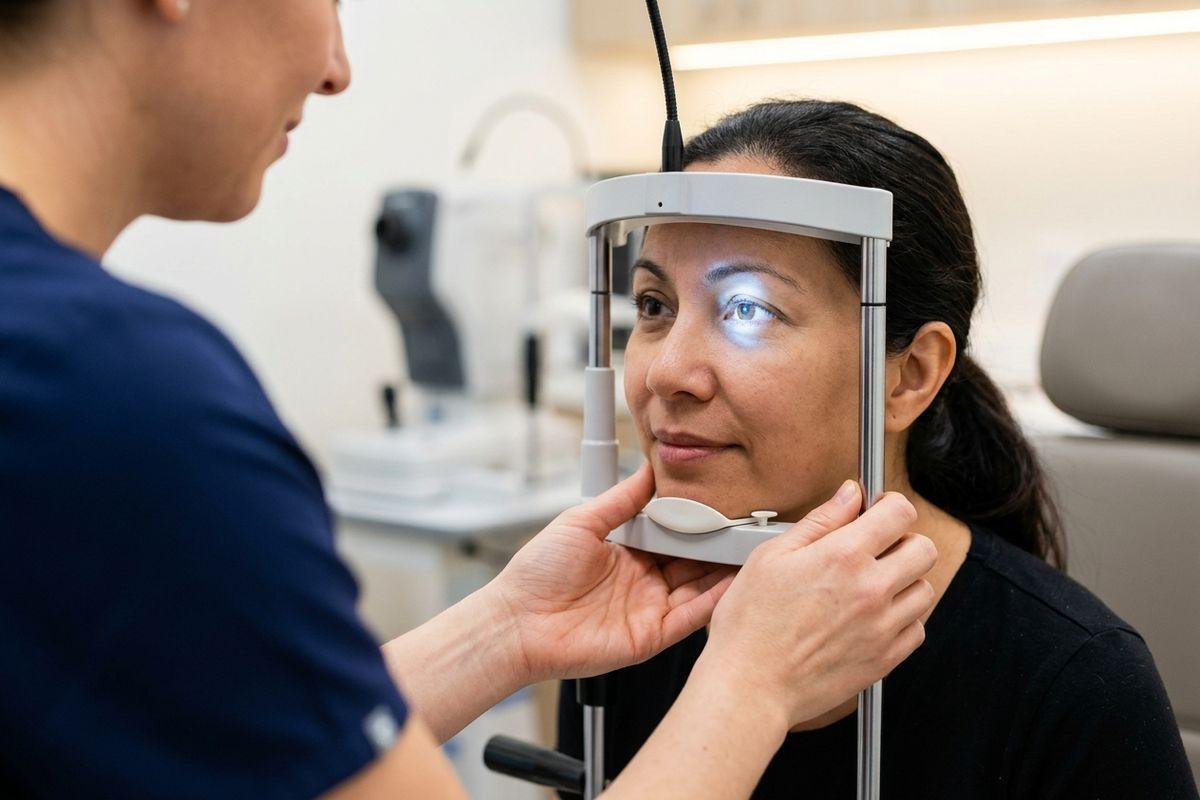
You show up expecting to find out whether you need new glasses. But your optometrist is looking at a lot more than that. The eyes are the only place in the body where blood vessels and nerve tissue can be viewed directly, without any cutting or scanning. That makes a routine eye exam at Visual Sense Eye Care a surprisingly useful window into your overall health.
An eye exam can detect signs of serious conditions including diabetes, high blood pressure, high cholesterol, multiple sclerosis, thyroid disease, and certain cancers, often before you notice any symptoms at all.
What Your Eyes Reveal About Your Overall Health
Most people think of an eye exam as a prescription check. In reality, your optometrist is also examining the internal structures of your eyes, including the retina, optic nerve, and the blood vessels that run through them. Changes to those structures can reflect what’s happening elsewhere in your body.
Signs of body-wide conditions often appear in the eyes first. That’s not a coincidence. Because these structures are so accessible, your optometrist can sometimes spot something worth investigating before your family doctor has any reason to look. A comprehensive eye exam can detect over 270 health conditions, making it one of the more thorough health checks you can have in a single appointment.
Systemic Conditions an Eye Exam Can Detect
Cardiovascular and Metabolic Conditions
People with diabetes can develop changes in the tiny blood vessels of the retina, the light-sensitive layer at the back of your eye. These changes can be visible during a comprehensive exam even when vision feels completely normal. High blood pressure can also leave its mark here, showing up as narrowing or small areas of bleeding in the retinal vessels. High cholesterol may produce deposits visible in the cornea or within the blood vessels of the eye.
Neurological and Autoimmune Conditions
Inflammation of the optic nerve is a common early sign of multiple sclerosis. Thyroid disease can cause the eyes to appear to bulge forward, and may also change the position of the eyelids. Conditions like lupus and rheumatoid arthritis can produce eye inflammation or dryness that shows up during an exam, sometimes before a formal diagnosis has been made.
Cancers and Tumours
A brain tumour can increase pressure in a way that affects the optic nerve and peripheral vision, the range of what you can see to the sides without moving your eyes. Ocular melanoma and lymphoma, two cancers that can develop in or around the eye, are also detectable during a full exam. Skin cancers can appear on the eyelids and the tissue surrounding the eye, making those areas part of what your optometrist checks.
What a Comprehensive Eye Exam Actually Checks
More Than a Vision Check
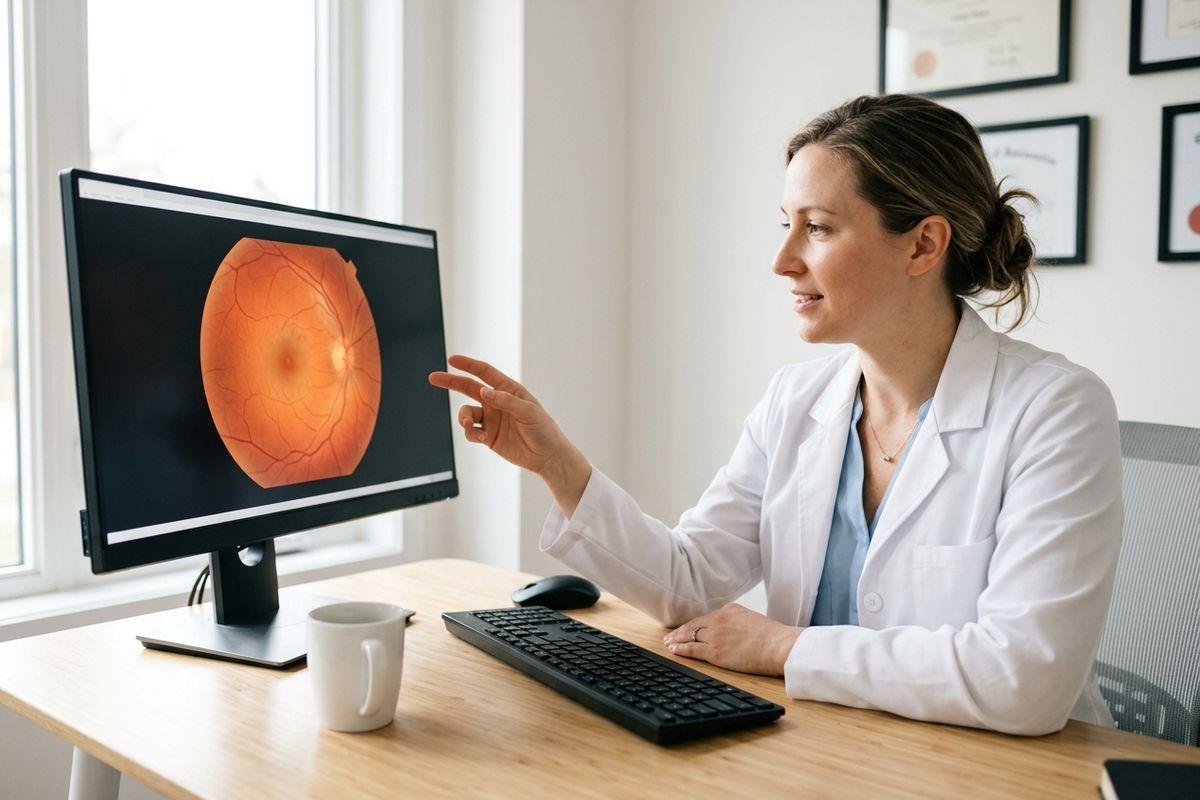
There’s a meaningful difference between eyesight, which is how clearly you see letters on a chart, and overall eye health. A comprehensive exam addresses both. Your optometrist examines the retina, optic nerve, and blood vessels inside the eye. Eye coordination and tracking, which describe how well your two eyes work together and move smoothly, are also evaluated as part of the appointment.
What to Expect During Your Appointment
Your optometrist will review your health history, current medications, and family history of eye or general health conditions. Eye pressure, pupil response, and peripheral vision are all tested. Retinal imaging, a photograph of the back of the eye, can capture detail that helps track changes over time. It’s a thorough process, and most of it happens without you doing much more than looking where you’re asked. You can learn more about what’s covered through a comprehensive eye disease assessment at the clinic.
Why Early Detection Through an Eye Exam Matters
Many of the conditions an eye exam can flag develop quietly. There’s no headache, no blurred vision, no obvious warning. By the time symptoms appear, the condition may already be more difficult to manage.
Catching something early supports better outcomes. It also means your optometrist can refer you to the right health professional sooner, whether that’s your family doctor, a specialist, or another provider. Eye findings have led to referrals that changed the course of a patient’s care in ways that had nothing to do with glasses.
How Often You Should Have an Eye Exam
Children and Young Adults
The first eye exam for a child is recommended at six months of age, then again around age three, and once more before starting school. After that, yearly exams are recommended throughout the school years. Vision changes quickly during childhood, and eye health issues caught early are much easier to address. You can find out more about what’s involved in a children’s eye exam and what the optometrist looks for at each stage.
Adults and Adults 65 and Older
Healthy adults are generally recommended to have an eye exam every 1–2 years, but your eye doctor can recommend a more specific schedule. If you have diabetes, high blood pressure, or a family history of eye disease, annual exams are worth considering. For adults 65 and older, yearly exams are a reasonable standard since the risk of conditions like glaucoma, macular degeneration, and cataracts increases with age.
Come See Us
If you’re in the Kitchener area and it’s been a while since your last exam, or you’ve never had a comprehensive one, Visual Sense Eye Care offers thorough eye exams for children and adults of all ages. You can book an appointment directly through our clinic’s website, or call to speak with someone on our team.

